When comparing BLS, ACLS, or PALS certification options, you may notice substantial differences in pricing and delivery. EMIC focuses on efficient scheduling, group coordination, and practical instruction to provide competitive value. This article explains the operational choices that support cost-conscious emergency medical training.
Understanding the True Cost of Training
Emergency medical training involves several cost components: instructor salaries, facility rental, equipment (manikins, AED trainers, etc.), certification cards, administrative overhead, and marketing. Traditional training centers operate with significant fixed costs—they rent dedicated facilities, employ full-time administrative staff, and invest heavily in advertising. These costs get passed directly to students through higher course fees.
EMIC takes a fundamentally different approach. We've streamlined operations to eliminate unnecessary overhead while maintaining—and in many cases exceeding—the quality standards of more expensive competitors. The result is certification training that costs less without cutting corners on instruction, equipment, or student experience.
How EMIC Keeps Costs Low
Lean Operations and Efficient Scheduling
EMIC operates with minimal administrative overhead. We don't maintain expensive storefronts or employ large administrative teams. Our scheduling system is streamlined and efficient, reducing the administrative burden that drives up costs at traditional training centers. We pass these savings directly to students rather than inflating prices to support unnecessary infrastructure.
We also optimize class scheduling to maximize instructor efficiency. Rather than running half-empty classes with high per-student costs, we schedule courses based on demand and maintain healthy class sizes that allow individual attention while keeping costs manageable. This approach benefits everyone—students get affordable training, and instructors can focus on teaching rather than administrative tasks.
Group Training Economics
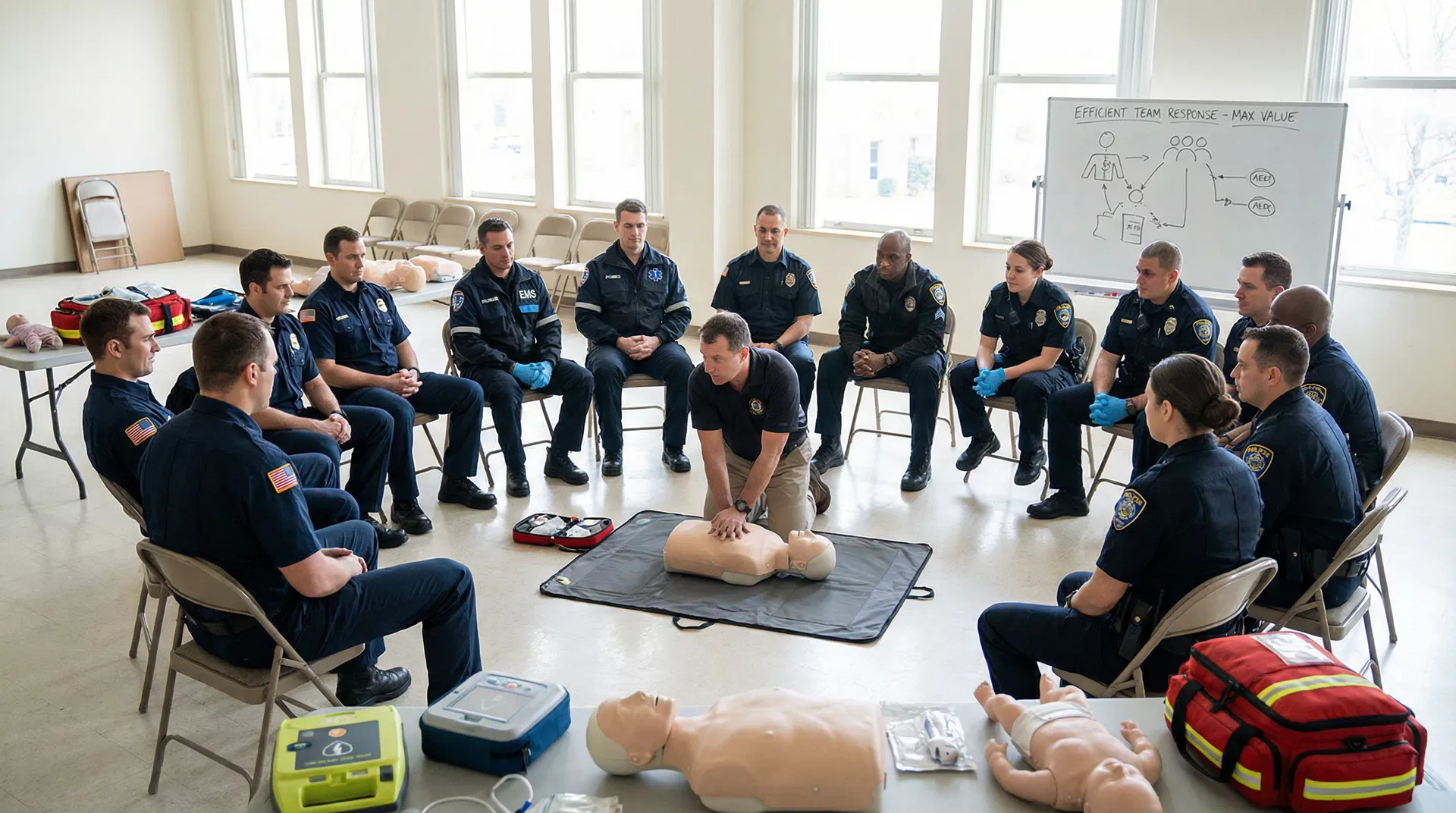
EMIC specializes in group training for fire departments, police departments, EMS agencies, hospitals, and corporate clients. Group training creates significant economies of scale—the cost of an instructor and equipment is spread across more students, dramatically reducing per-person expenses. A fire department bringing 15 firefighters for BLS certification pays far less per person than 15 individuals taking separate classes.
We've built our business model around serving these groups efficiently. Our instructors travel to client locations for on-site training, eliminating facility rental costs and making training more convenient for organizations. This mobile approach allows us to serve clients throughout Upstate New York and beyond without the overhead of maintaining multiple fixed training locations.
Experienced Instructors, Not Celebrity Brands
EMIC instructors are experienced healthcare professionals and first responders who bring real-world emergency medicine expertise to the classroom. What we don't do is inflate prices to support celebrity instructor branding or expensive marketing campaigns. Our reputation is built on quality instruction and word-of-mouth referrals, not flashy advertising.
This approach benefits students in two ways: lower costs and better instruction. Our instructors teach because they're passionate about emergency medical education, not because they're building personal brands. They focus on ensuring students gain practical, applicable skills rather than performing for social media content.
Direct Relationship with the American Heart Association
As an authorized American Heart Association Training Center, EMIC works directly with the AHA without intermediaries. This direct relationship eliminates markup from regional distributors or franchise fees that some training centers pass on to students. We purchase materials and certification cards at the best available rates and keep our pricing transparent and competitive.
What You're NOT Sacrificing
Lower prices sometimes raise concerns about quality. It's important to understand what you're NOT giving up when you choose EMIC:
Full AHA Certification
EMIC certification cards are identical to those issued by more expensive training centers. They're official American Heart Association credentials, valid for two years, and accepted by all employers and licensing boards. There's no "discount certification" or inferior credential—you receive the exact same certification as someone who paid twice as much elsewhere.
Quality Instruction
EMIC instructors meet all AHA requirements and bring extensive real-world experience. Many of our instructors are active paramedics, nurses, and emergency medicine physicians who respond to the types of emergencies you're training to handle. They teach current AHA guidelines and evidence-based practices, ensuring you receive instruction that reflects the latest science in resuscitation.
Equipment and Materials
We use high-quality training equipment including professional-grade CPR manikins, AED trainers, and airway management devices. Students receive official AHA provider manuals and course materials. We don't cut costs by using worn-out equipment or outdated materials—our training tools meet or exceed AHA standards.
Class Size and Individual Attention
EMIC maintains appropriate student-to-instructor ratios as specified by AHA guidelines. You won't be in an overcrowded class where you can't get hands-on practice or individual feedback. Our instructors ensure every student receives adequate practice time and personalized coaching to develop proper technique.
Comparing Costs: EMIC vs. Traditional Training Centers
Let's look at typical pricing for emergency medical certifications in New York State:
Typical Market Rates:
- BLS Certification: $80-150 at most training centers
- ACLS Certification: $200-300 at most training centers
- PALS Certification: $200-300 at most training centers
EMIC Rates:
- BLS Certification: Competitive individual and group options
- ACLS Certification: Competitive rates 30-40% below market average
- PALS Certification: Competitive rates 30-40% below market average
- Group Training: Even lower per-person rates for departments and organizations
For a healthcare professional who maintains BLS, ACLS, and PALS certifications, recurring renewal costs matter. Coordinated scheduling and group options can help reduce that long-term expense.
Group Training: Maximum Value for Organizations
EMIC's group training model delivers exceptional value for fire departments, police departments, EMS agencies, hospitals, schools, and businesses. Here's how it works:
On-Site Training
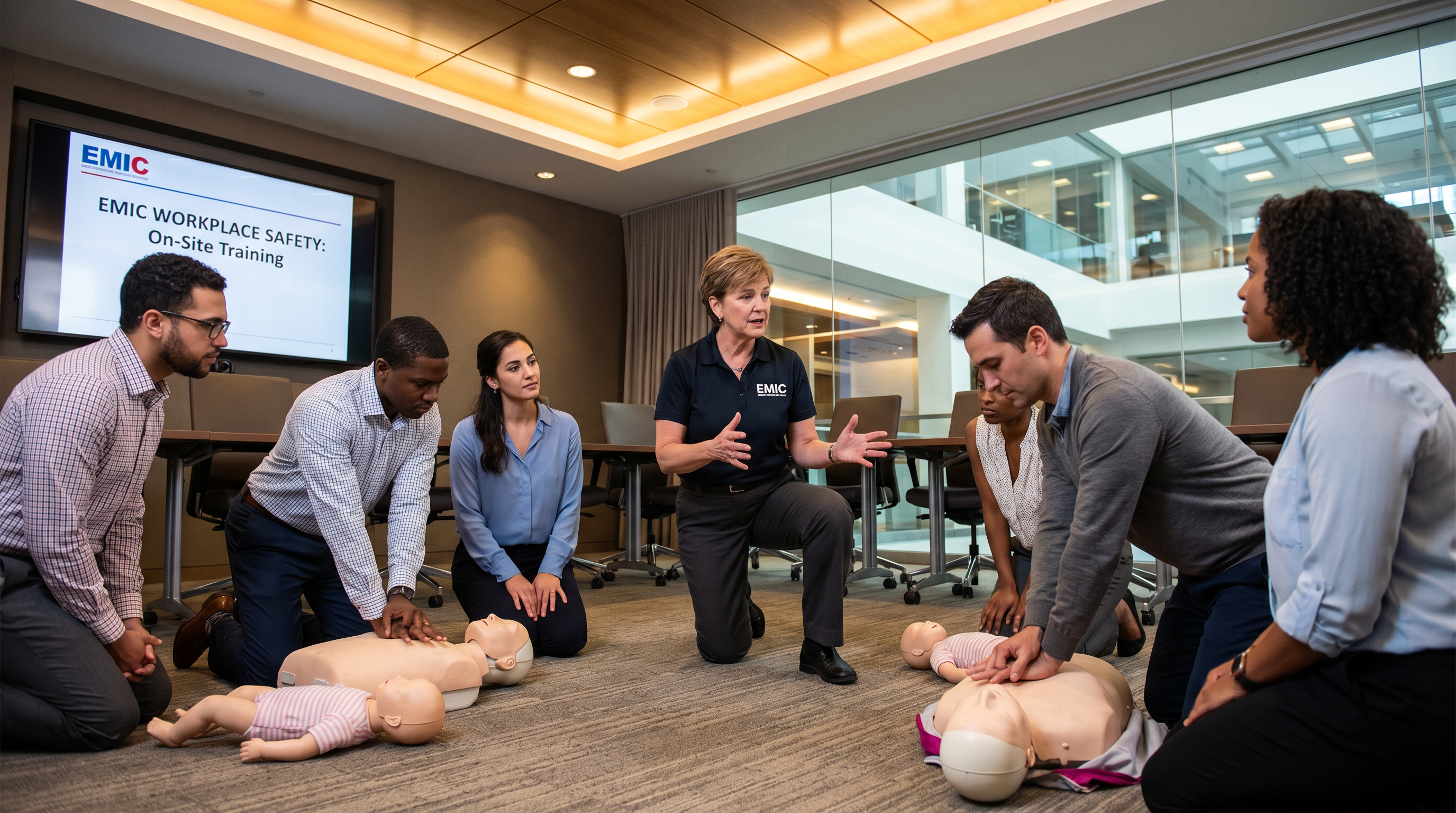
We bring training to your location, eliminating travel time and expenses for your team. A fire department can have their entire shift certified without taking apparatus out of service or sending personnel to a distant training center. This convenience alone represents significant cost savings in terms of staff time and operational continuity.
Flexible Scheduling
We schedule training around your operational needs. Need training during a night shift? Weekend? Holiday? We accommodate your schedule rather than forcing your team to work around limited class availability at a fixed training center. This flexibility reduces overtime costs and scheduling headaches.
Volume Discounts
The more people you train, the lower the per-person cost. A fire department certifying 30 firefighters pays significantly less per person than sending them to individual classes. For organizations with recurring training needs, EMIC's group rates represent substantial annual savings compared to traditional training center pricing.
Our Mission: Accessible Life-Saving Training
EMIC's pricing philosophy is simple: life-saving training should be accessible to the people and organizations that need it. By operating efficiently and focusing on practical instruction, EMIC provides competitive training options for healthcare students, first responders, and organizations.
We're not a discount training mill churning out questionable certifications. We're experienced emergency medical professionals who've eliminated unnecessary costs to make essential training affordable. Every dollar we save in overhead is a dollar that stays in your pocket, and every student who chooses EMIC gets the same high-quality, AHA-certified training they'd receive at centers charging significantly more.
International Reach, Local Value
While EMIC is based in Upstate New York, our efficient model and group training expertise have allowed us to expand internationally. We've provided emergency medical training and consulting in South America, Central America, the Caribbean, Japan, Dubai, and other regions. This international experience brings additional perspective to our training while our lean operations keep costs low even when working across borders.
For organizations considering international training partnerships, EMIC offers the unique combination of global experience, AHA certification standards, and cost-effective delivery. We've proven that high-quality emergency medical education doesn't require premium pricing—it requires expertise, efficiency, and a commitment to making training accessible.
The Bottom Line
EMIC builds value around efficient operations, coordinated group training, and a focus on instruction. Pricing varies by course and delivery requirements, and organizations can request a scoped proposal for current rates.
Whether you're an individual healthcare professional, a fire department, a hospital, or an international organization, EMIC delivers exceptional value. You get expert instruction from experienced emergency medical professionals, official AHA certification, and the confidence that you're prepared to respond effectively in real emergencies—all at the best price available.
References
- American Heart Association. (2024). Become a Training Center. American Heart Association. heart.org
- American Heart Association. (2024). Training Center Policies and Procedures. American Heart Association. heart.org
- Bhanji, F., et al. (2015). Part 14: Education: 2015 American Heart Association Guidelines Update for Cardiopulmonary Resuscitation and Emergency Cardiovascular Care. Circulation, 132(18 Suppl 2), S561–S573. ahajournals.org
- Greif, R., et al. (2015). Part 10: Education, Implementation, and Teams: 2015 International Consensus on Cardiopulmonary Resuscitation and Emergency Cardiovascular Care Science With Treatment Recommendations. Circulation, 132(16 Suppl 1), S242–S268. ahajournals.org
Ready to Save on Your Certification?
Explore EMIC BLS, ACLS, or PALS training, or contact us for a current group-training proposal based on your location, course mix, and participant count.